

Introduction: A Neighborhood Steeped in History
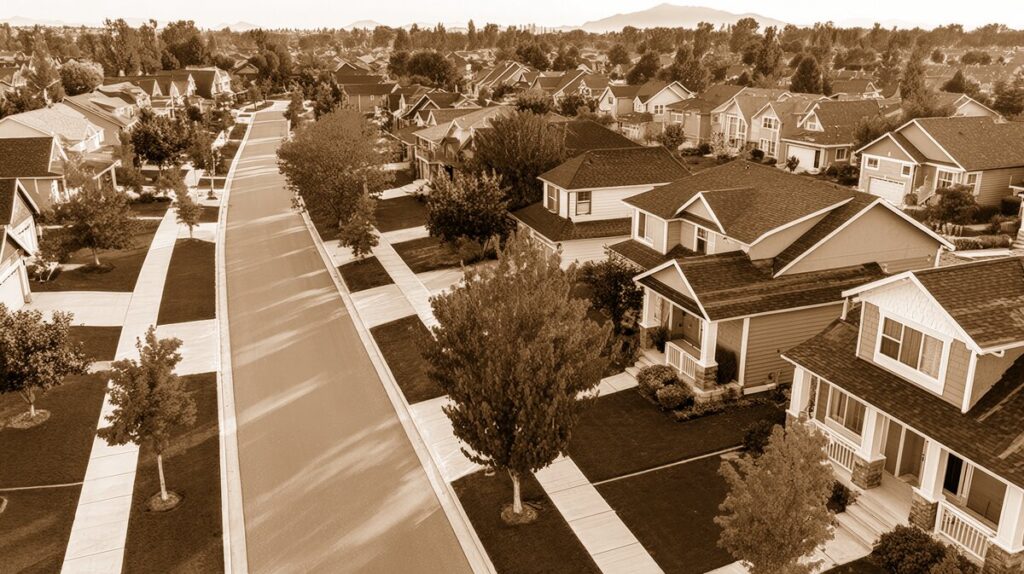
Nestled in the southeastern corner of Belmont, Payson Park is a neighborhood where tree-lined streets and stately homes tell stories stretching back through generations. For residents and visitors alike, Payson Park represents not just a location but a distinct heritage—an enduring charm that intricately weaves together community, architecture, and green space.
Origins of Payson Park: From Farmland to Flourishing Suburb
The roots of Payson Park run deep into the 19th century, when what is now Belmont was primarily rural land, dotted with farms and grand country estates. Belmont itself was incorporated in 1859, carved out from neighboring Watertown, Waltham, and West Cambridge (now Arlington) with the promise of a quieter, greener lifestyle.
The Payson Park neighborhood takes its name from the Payson family, prominent members of Belmont’s early civic and social life. George Payson, a notable local philanthropist, is widely believed to have left a mark not only through land ownership but also through his support of various civic projects. The Payson family’s generous donations helped establish the beloved Payson Park itself—a public green space at the heart of the neighborhood—and influenced the naming of the surrounding area.
The Growth Years: Early Development and Community Spirit
With the extension of streetcar lines from Boston in the late 19th and early 20th centuries, Belmont’s Payson Park area started attracting well-to-do families seeking both convenience and a peaceful retreat from the city. Streets like Payson Road, Elm Street, and Belmont Street became lined with elegant single-family homes, often built in the Colonial Revival and Tudor architectural styles popular during the 1920s and 1930s.
During the building boom of the 1920s, Payson Park blossomed into a model suburban neighborhood. The charm of the area came not just from its stately homes, but from its conscious planning—featuring sidewalks, tree plantings, and community gathering spots that encouraged neighborly connections.
Key Landmarks and Institutions
A stroll through Payson Park today offers glimpses of its storied past and living heritage:
- Payson Park Playground: At the core of the neighborhood is the beloved Payson Park, a generous green space complete with playgrounds, tennis courts, and picnic tables. For decades, it has hosted everything from summer concerts to little league games, making it the heart of community life.
- Payson Park Church: Founded in 1913, the Payson Park Church on Belmont Street remains an anchor institution, notable both for its beautiful stone architecture and its active role in community affairs.
- Cushing Square: Though technically just south of Payson Park, the bustling Cushing Square commercial district has always played an integral role, drawing residents for shopping, banking, and socializing along Trapelo Road.
Notable homes include several original structures dating back to the early 1900s on Elm Street and Payson Road, their facades meticulously maintained by proud homeowners.
Milestones and Moments in Payson Park’s Story
- In the early 1900s, as the population surged, Belmont made significant investments in public infrastructure. Sewer and water lines were extended into the Payson Park neighborhood—an early example of the town’s commitment to modern amenities for its residents.
- The 1938 hurricane, still remembered by many, toppled some of the neighborhood’s grandest old elm trees but failed to dampen the community’s spirit. Residents pulled together for cleanup and replanting—a tradition of cooperation that endures to this day.
- Over the postwar decades, Payson Park remained a highly sought-after residential neighborhood. Older homes were lovingly maintained, and a few select infill developments in the ‘50s and ‘60s added tasteful new housing stock without changing the area’s intrinsic character.
Evolution Over the Decades
What truly sets Payson Park apart is the way it has gracefully adapted to the changing times without losing sight of its core identity. In the latter half of the 20th century, as the Boston metro area grew, Payson Park’s reputation soared as an enclave for families desiring top schools, safe streets, and a sense of belonging.
- The neighborhood's streets—like Pine Street, Walnut Street, and Bow Road—became synonymous with block parties and trick-or-treating, hallmarks of small-town tradition in a metropolitan region.
- Payson Park has also become a model of green living, with residents championing environmental initiatives and beautification projects—from community gardens to tree planting days.
Today, the area is a vibrant mix of new families and longtime residents, many of whom share stories passed down from earlier generations—a testament to the enduring draw of this Belmont gem.
Notable Residents and Community Voices
While the Payson family is long gone, their legacy of giving back remains visible in the form of local volunteers, educators, and civic leaders. Over the years, teachers, artists, and even former town selectmen have called Payson Park home, lending the area a tradition of engaged, energetic citizenship.
Preserving Heritage in the Modern Age
Walking along Payson Road on a sunny afternoon, it’s easy to imagine the generations of children who’ve tossed a football on the green or raced bicycles down perfectly leafy lanes. Local organizations and neighbors alike take pride in the careful stewardship of their shared spaces, ensuring that every update—be it playground equipment or historic home restoration—respects the character that makes Payson Park unique.
Conclusion: A Neighborhood for the Ages
From its 19th-century origins to its 21st-century vibrancy, Payson Park stands as a living chapter of Belmont’s greater story. Its legacy is one of thoughtful development, close connection to green spaces, architectural beauty, and, above all, a profound sense of community. For anyone seeking the story of what makes Belmont special, one need only look to the lovingly tended lawns and welcoming walkways of Payson Park—a neighborhood firmly rooted in history, but always looking to the future.